
Technical Assistance
A Three-Tiered, Implementation-Driven Training & Technical Assistance Model
We deliver responsive, practical, and outcomes-focused technical assistance (TA) through a multi-tiered model:
Universal:
Broad-reaching, accessible, evidence-informed resources, online learning modules, products, and quarterly newsletters that increase awareness, strengthen workforce capacity, and support adoption of effective practices across the field.
Tailored:
Customized consultation, virtual learning communities with affinity groups, and tailored problem-solving aligned with specific contextual challenges, workforce needs, and varying stages of implementation.
Intensive:
Individualized coaching and consultation is available to CMHI and SFN grantees through dedicated TA Leads assigned to each requesting grantee. Includes rapid response support and data-driven TA plans designed to support grant goals, objectives, and needs assessments to strengthen service array and system design, sustainability, and long-term implementation success.

Lived Experience at the Center
Our work is co-led by youth and family leaders who shape priorities, guide decision-making, inform product development, and partner in delivering TA. Family- and youth-run organizations are embedded throughout all aspects of support—modeling authentic partnership and ensuring solutions are grounded in real-world needs.
Cross-Sector, National Partnership Network
We leverage the collective expertise of our partners across Medicaid, mental health, substance use, child welfare, education, juvenile justice, intellectual and developmental disabilities, early childhood, primary care, and crisis systems. These partners—along with national associations, subject matter experts, and lived-experience leaders—enable broad reach, deep specialization, and coordinated, field-informed solutions.


Workforce & Sustainability as Core Drivers
All technical assistance integrates strategies to strengthen the workforce, enhances peer support, improves recruitment and retention, and ensures financing and policy structures support sustainable, scalable change. We prioritize building system capacity to sustain improvements long after technical assistance concludes.
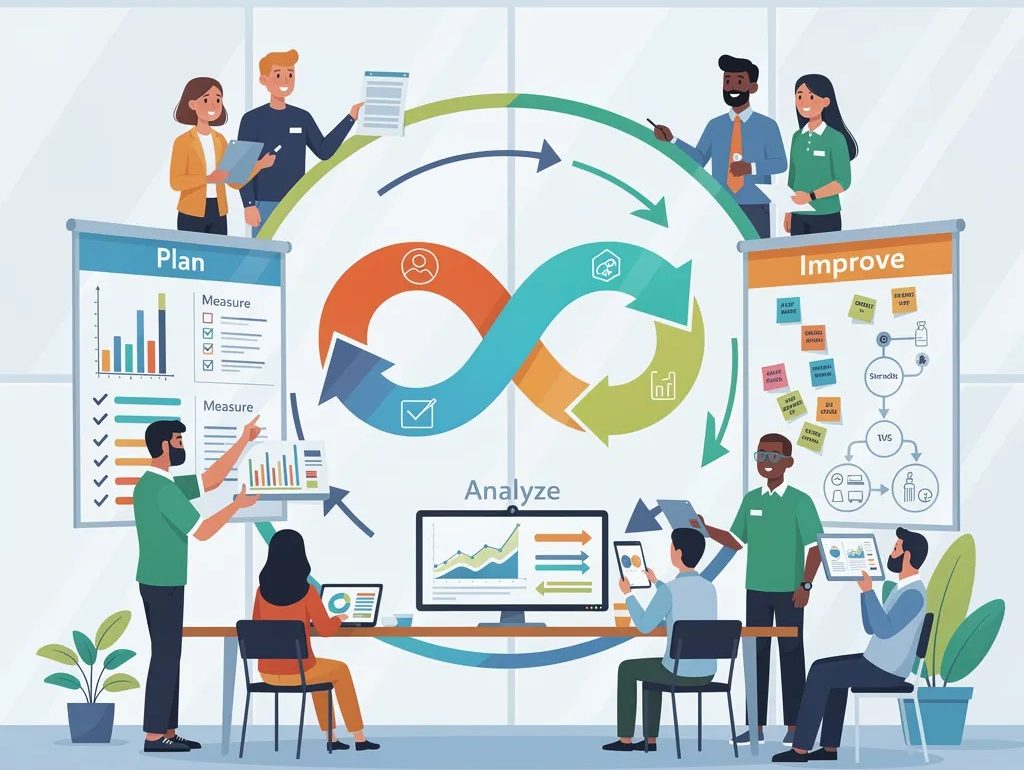
Data-Guided Continuous Quality Improvement
Evaluation and continuous quality improvement processes are embedded across all training and technical assistance, using validated assessment tools, recipient feedback, and real-time data from the field. This ensures offerings are continually refined, responsive, and aligned with emerging needs, federal priorities, and system outcomes.

Accessible Online Learning
Trainings are available in accessible online platforms. Group learning opportunities are offered regularly, with recordings housed on our online learning site, and robust resource libraries support implementation of learning. High-quality, no-cost continuing education supports workforce advancement and system improvement nationwide.
Email: NTTAC@uconn.edu